
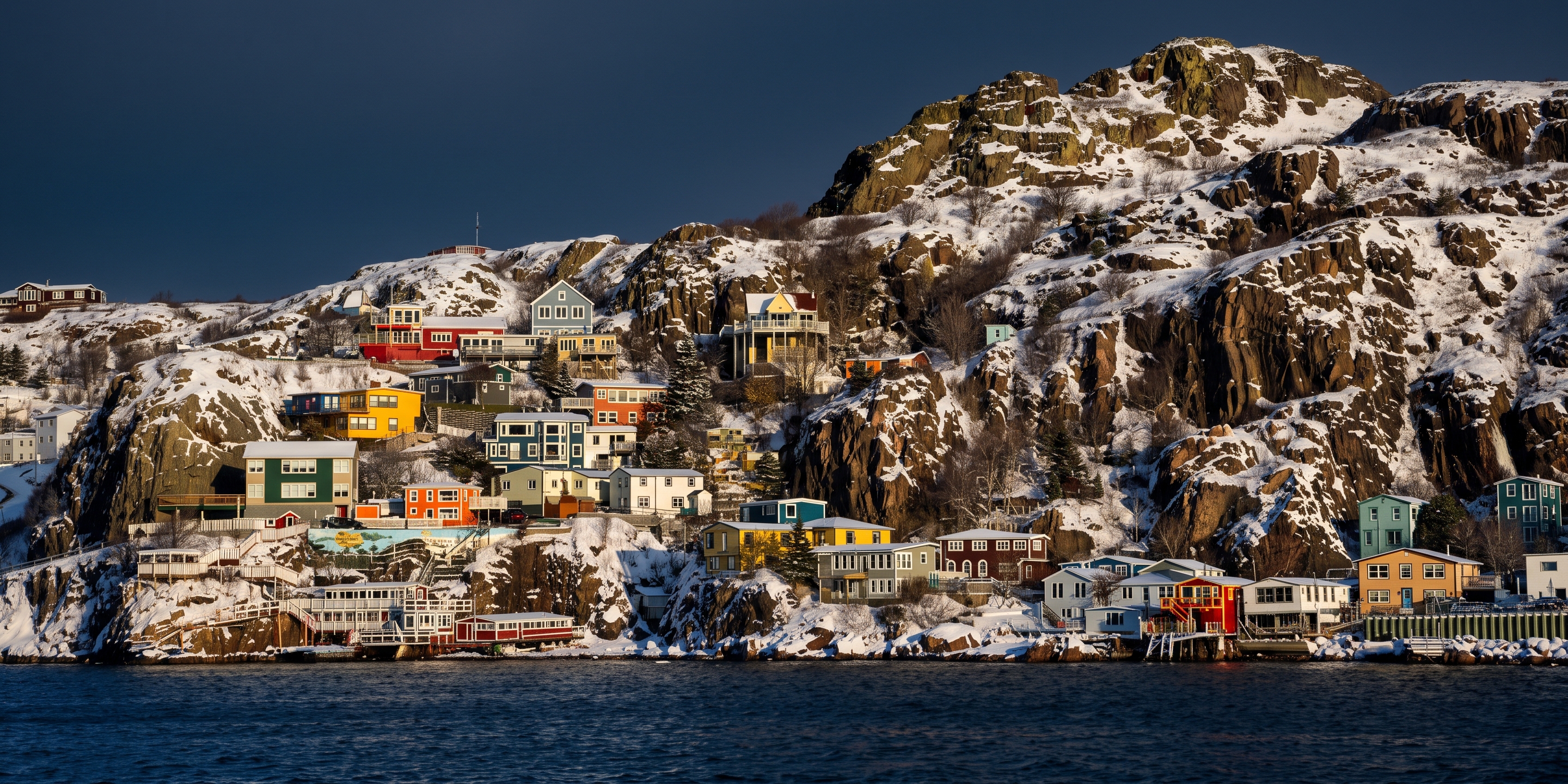
Does El Niño Mean Less Snow in St. John’s? Not Always.
You’ve probably heard that El Niño could bring a milder winter. If you’re hoping for less shovelling, that sounds like good news. It might even have you wondering whether you need snow clearing this year.
It’s understandable. Most coverage of El Niño mentions warmer winters, and we’ve had some mild ones here during El Niño years. But we’ve also had winters with heavy snowfall and major storms. Before you count on an easy season, it’s worth looking at what actually happened in St. John’s.
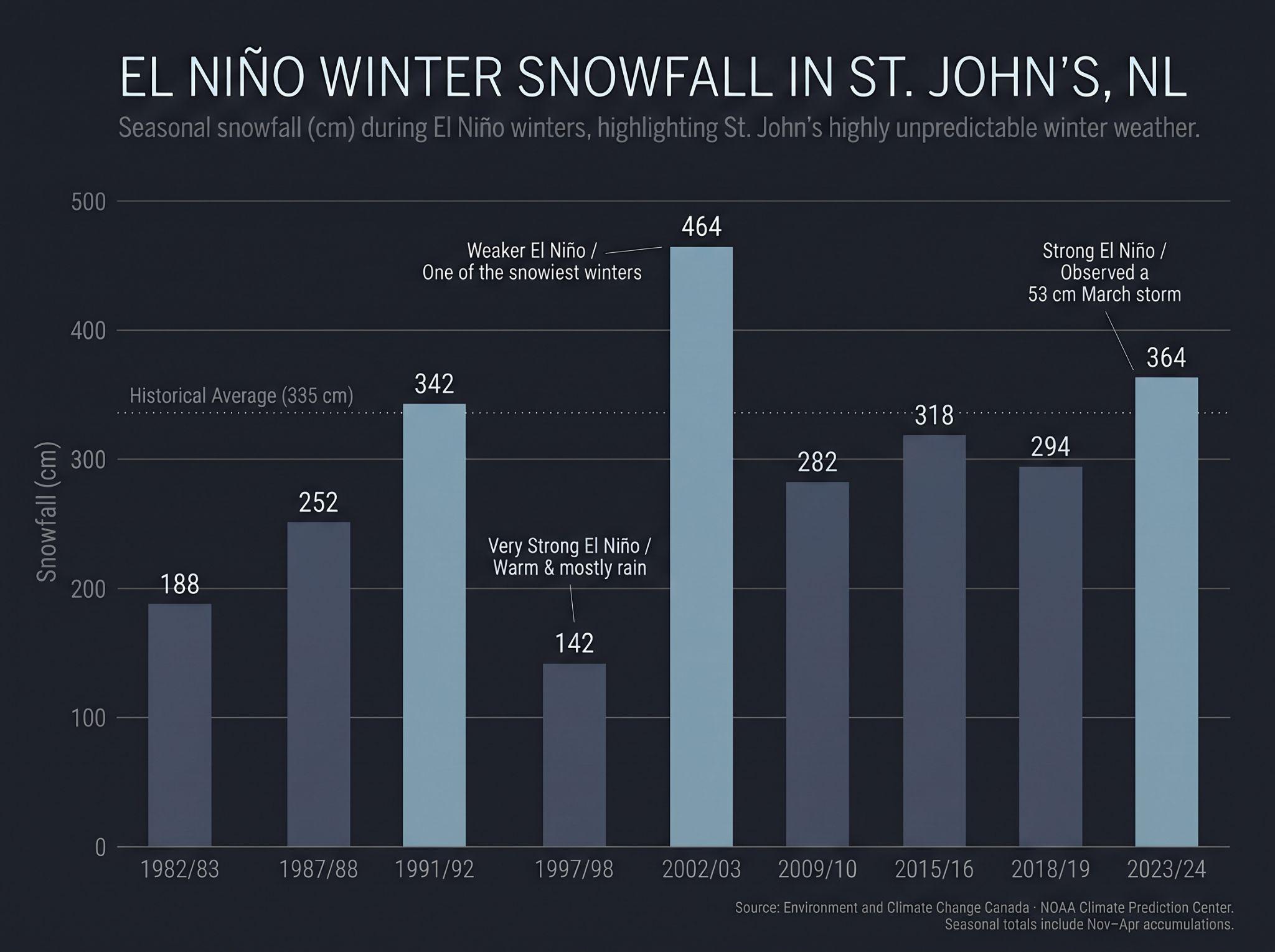
In the winter of 1997/98, one of the strongest El Niños on record, St. John’s got rain instead of much of its usual snow. January and February saw only about 25 cm combined. If you were judging by that winter alone, you’d understand why people expect El Niño to mean less shovelling.
Then came 2002/03. Despite a weaker El Niño, the airport recorded about 464 cm of snow between December and March, making it one of the snowiest winters on record. Anyone counting on another easy winter would have been disappointed.
More recently, the strong El Niño of 2023/24 brought two months with hardly any snow. People were starting to call the winter a bust when March 8 brought 53 cm in a single day, the snowiest March day ever recorded here.
So which is it? Mild or brutal? Yes.
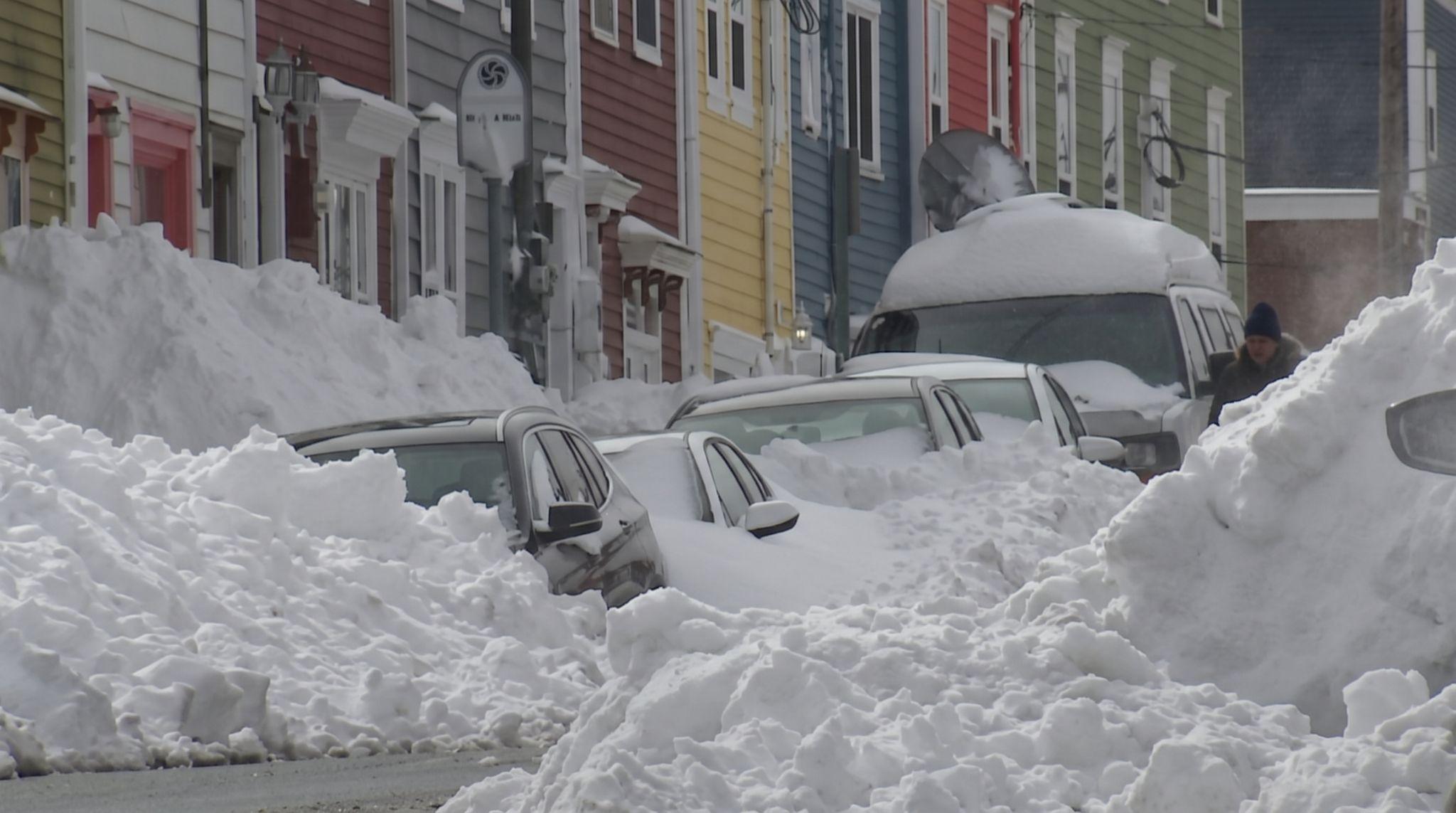
Depiction of Downtown, March 2024.
The trouble with using El Niño to predict Newfoundland’s winter is that its influence is much less reliable here. A lot depends on what’s happening closer to home in the North Atlantic. The North Atlantic Oscillation—a shift in the pressure pattern between Iceland and the Azores—helps steer storms and affects how much cold air reaches us. El Niño can influence those patterns, but knowing it’s an El Niño year still doesn’t tell you how much snow you’ll be shovelling in St. John’s.
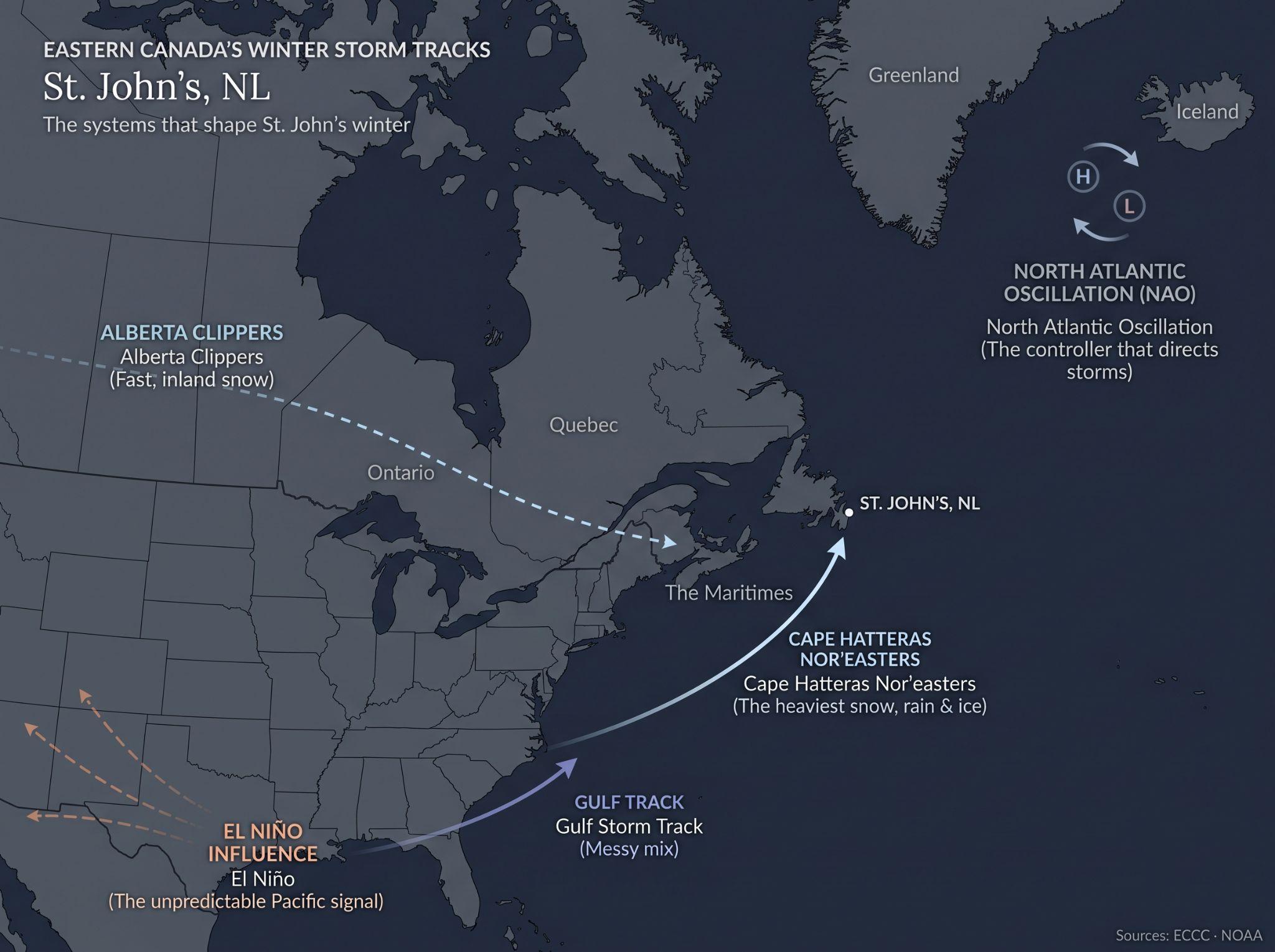
If you own a driveway, a mild winter can still leave you with a lot of shovelling. A quiet January doesn’t help much when you’re trying to dig your car out in March. We saw that with the heavy snowfall in 2003 and the record March day in 2024, both during El Niño winters. Even the devastating 1998 ice storm in Ontario, Quebec and parts of the Maritimes happened during one of the strongest El Niños on record. Less snow over the season doesn’t necessarily mean an easy winter.
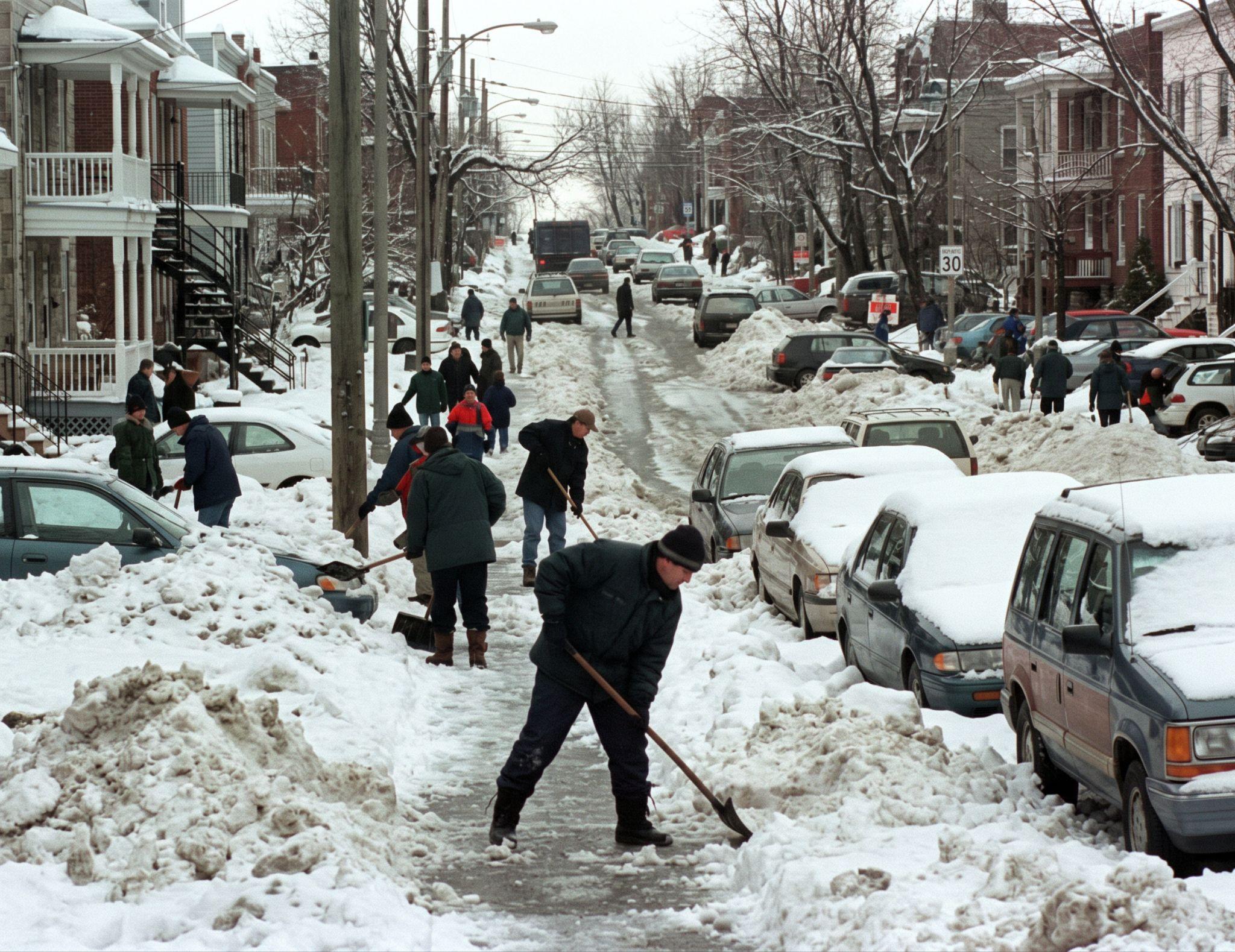
Depiction of Quebec, 1998’s infamous storm.
Even a mild winter can bring a storm people remember for years. And when temperatures hover around freezing, clearing the driveway gets that much harder. Snow turns to rain, then freezes before you get a chance to clear it. If you’ve ever spent a March morning chipping away at that heavy, frozen mess, you know how little comfort a “mild winter” can offer.
We’re getting ready the same way we do every year, with crews lined up, routes planned and equipment ready to go. El Niño or not, we need to be ready when a storm arrives.
You don’t need to know how the whole winter will turn out to want your driveway cleared when it snows. That’s what we’re here for.
The Eastern Snow Team
Sources:
Environment and Climate Change Canada on El Niño · NOAA Climate Prediction Center ENSO discussion